

WASHINGTON — A former senior U.S. intelligence official has concluded that an “unprecedented crime convergence” is underway across Canada, involving nearly 700 organized crime groups operating in strategic cooperation and networked into 48 countries—amid virtually no coordinated national response from Ottawa—resulting in potentially hundreds of billions of dollars laundered in the country each year.
Beyond this groundbreaking assessment of the scale of drug money laundering through Canada, the Washington-based expert finds that these expanding criminal operations were accelerated and empowered by the Liberal government’s 2016 decision to drop visa requirements for Mexico.
The hard-hitting study, produced by David M. Luna through the International Coalition Against Illicit Economies, asserts that U.S. government assessments on Canada’s growing role as a transnational hub of poly-narcotics production, trafficking, and—more importantly—money laundering are more detailed and plausible than Ottawa’s own data releases.
The consequence has been the rapid formation of what Luna describes as “an integrated ecosystem of criminality and corruption” operating within Canadian borders and Indigenous First Nation territories, involving key transnational networks—most importantly Chinese Triads and the Sinaloa and Jalisco New Generation Mexican cartels.
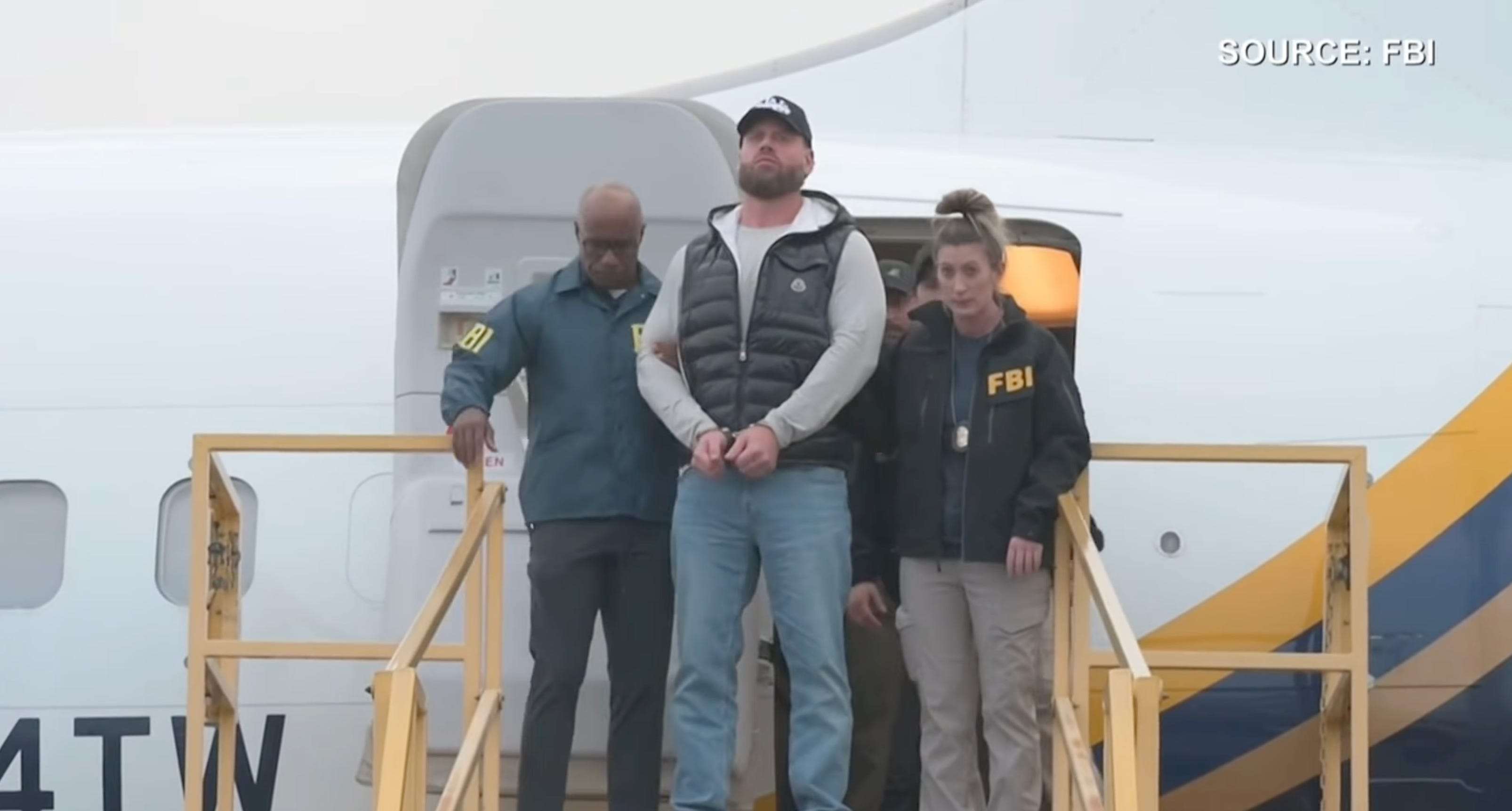
Critically, the findings illuminate the structural role of domestic figures like former Olympian Ryan Wedding: powerful Canada-based biker networks, including the Hells Angels, have become key enforcers and intermediaries between Chinese, Mexican, and Iranian transnational crime networks and Canadian street-level drug dealers.
“Canada has become a safe zone for the world’s most notorious crime groups and threat networks. It is not merely a consumer of illicit goods and contraband, but increasingly serves as a hub of illicit trade, production, and distribution of illicit goods, an exporter of such contraband, and a money laundering safe haven for a potpourri of sinister malign networks,” Luna writes.
“These illicit activities have a disrupting and destabilizing impact on Canadian political, governance, security, and business structures,” his report finds. “In fact, across Canada, criminal networks continue to profit handsomely from an array of illicit activities that are endangering the health and safety of its citizens, and are imperiling the country’s national security and threatening global peace.”
The report affirms much of The Bureau’s recent investigative reporting on the convergence of organized crime and foreign interference in Canada, while delivering a conclusion that reframes the crisis: the fentanyl epidemic devastating Canadian communities, and the border vulnerabilities that enable it, are critical—but they are symptoms.
The deeper threat, Luna argues, is Canada’s role as a money laundering platform for these transnational networks.
In this analysis, drug trafficking revenue is not merely a commodity to be cleaned and banked by international crime groups. It is the capital—or liquidity, as financial analysts might say—that provides fuel for multiple sectors of both the legal and illegal economy. In this new light, drug trafficking and money laundering aren’t ends to themselves. They are the operating system.
Luna’s new study, an ongoing series through ICAIE’s Illicit Shadows project, represents one of the most comprehensive public mappings yet attempted of Canada’s criminal infrastructure—and by a figure with direct experience inside the U.S. intelligence and law enforcement architecture.
Luna, who served 22 years in U.S. government including as Assistant Counsel to the President and in multiple senior directorships at the State Department’s Bureau of International Narcotics and Law Enforcement Affairs, identifies a criminal ecosystem in which the most powerful transnational organizations on earth—Chinese triads and CCP-linked money laundering syndicates, Mexican cartels, Iranian crime networks, Punjabi gangs, the Hells Angels, Eurasian mafias, and Aboriginal criminal groups—are not competing, but rather collaborating. At scale. Across every province and territory.