

By Garry Clement
I recently had the privilege of speaking to the First Nations Chiefs of Police Association in Victoria. It was a meaningful moment for me personally because I had addressed this same group more than 25 years ago. At that time, many Indigenous police services across Canada were severely under-resourced, underfunded, and often isolated from the broader law enforcement framework.
What I witnessed this time was fundamentally different.
I met chiefs and deputy chiefs who demonstrated professionalism, humility, and a deep commitment to the communities they serve. Many First Nations police services have evolved into modern, accountable policing organizations operating in some of the most challenging environments in Canada. Yet despite this progress, they continue to confront a reality most Canadians do not fully appreciate: organized crime, transnational trafficking, financial crime, and foreign interference are increasingly targeting vulnerable and underserved communities.
This is not merely a policing issue. It is a national security issue.
For decades, organized crime in Canada was viewed through a narrow lens — gangs, drugs, violence, and contraband. But modern organized crime has evolved. Today’s criminal enterprises operate like multinational corporations: highly adaptive, globally connected, technologically sophisticated, and deeply embedded in financial systems. They exploit gaps between jurisdictions, weaknesses in governance, and communities that lack adequate protection.
That reality was underscored recently following major arrests tied to Project Puma in Winnipeg — a sweeping organized crime investigation involving alleged fentanyl trafficking, money laundering, weapons offences, and links to transnational criminal networks. The investigation exposed what many in law enforcement have warned about for years: Canada’s illicit economies are deeply interconnected. Contraband tobacco, synthetic drugs, organized crime financing, and foreign supply chains are not separate problems; they are part of the same criminal ecosystem.
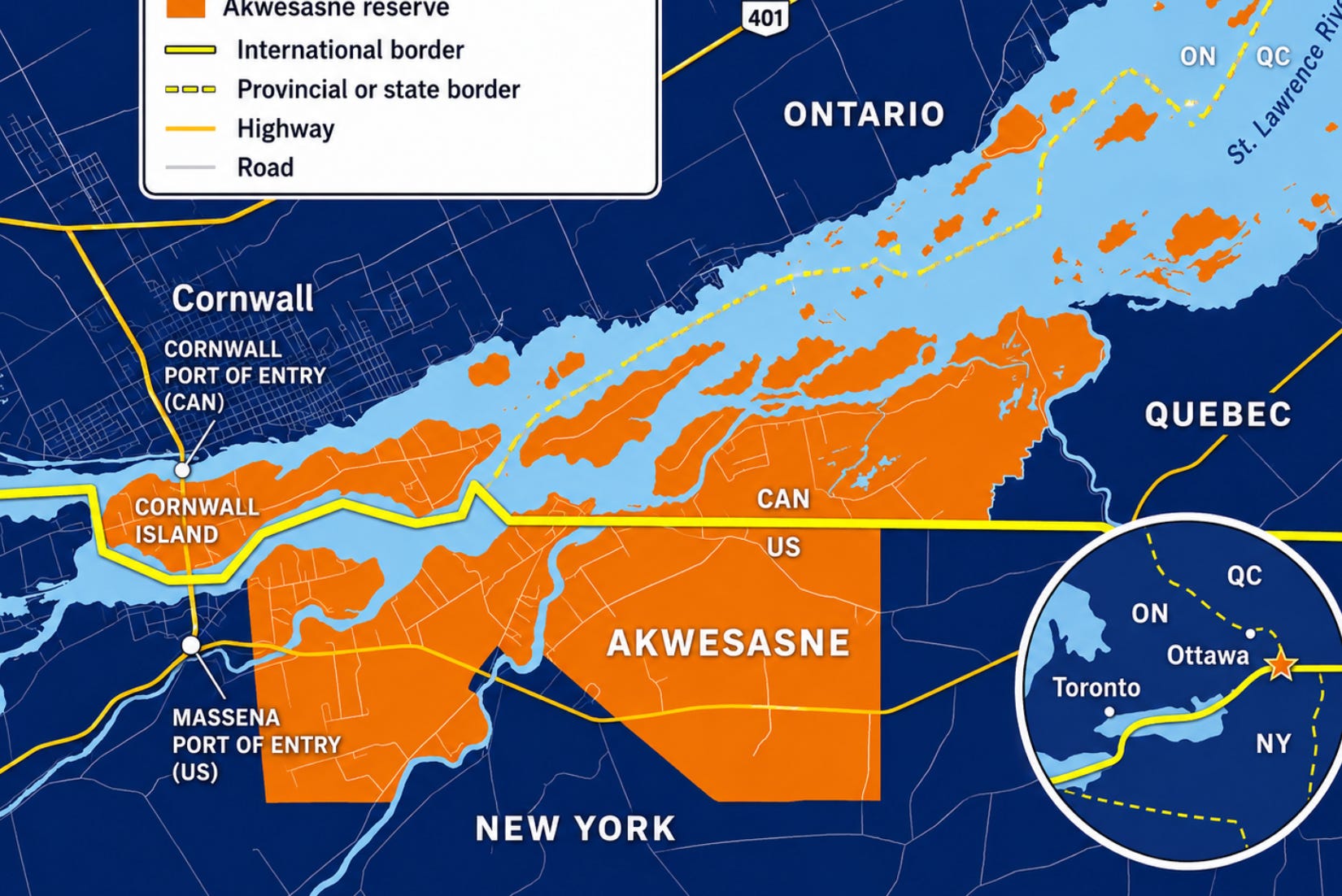
Former Ontario Provincial Police Deputy Commissioner Rick Barnum, one of Canada’s most experienced organized crime investigators, captured the significance of the case when he described illegal tobacco as “the connective tissue” linking criminal networks moving fentanyl and precursor chemicals into Canadian communities. Barnum warned that the contraband tobacco trade — much of it tied to illicit manufacturing operations operating near the Ontario–U.S. border — has become a low-risk, high-profit funding stream for transnational criminal organizations with connections extending into Mexico and China.