

TORONTO — The public should understand that Daijohn Richards isn’t the only one.
Richards, 24, is the Toronto man charged in the October 29 home invasion in the Bridle Path. Three armed men forced their way into a family’s home, shot a 75-year-old man and two women in their twenties, and beat two people with a hammer. Five years earlier, in Thunder Bay, nearly 1,300 kilometers away by road, police arrested Richards at 18 and charged him with possessing cocaine and fentanyl for the purpose of trafficking. He pleaded guilty to the lesser charge of possessing cocaine, The Globe and Mail later reported.
When Toronto police named Richards, The Bureau found the Thunder Bay arrest and asked both police services to confirm what the matching name, age and hometown made almost certain. We also asked whether he was under a weapons prohibition. Neither would answer. Richards is charged with possessing a firearm contrary to a prohibition order, and police still have not said what order, or why.
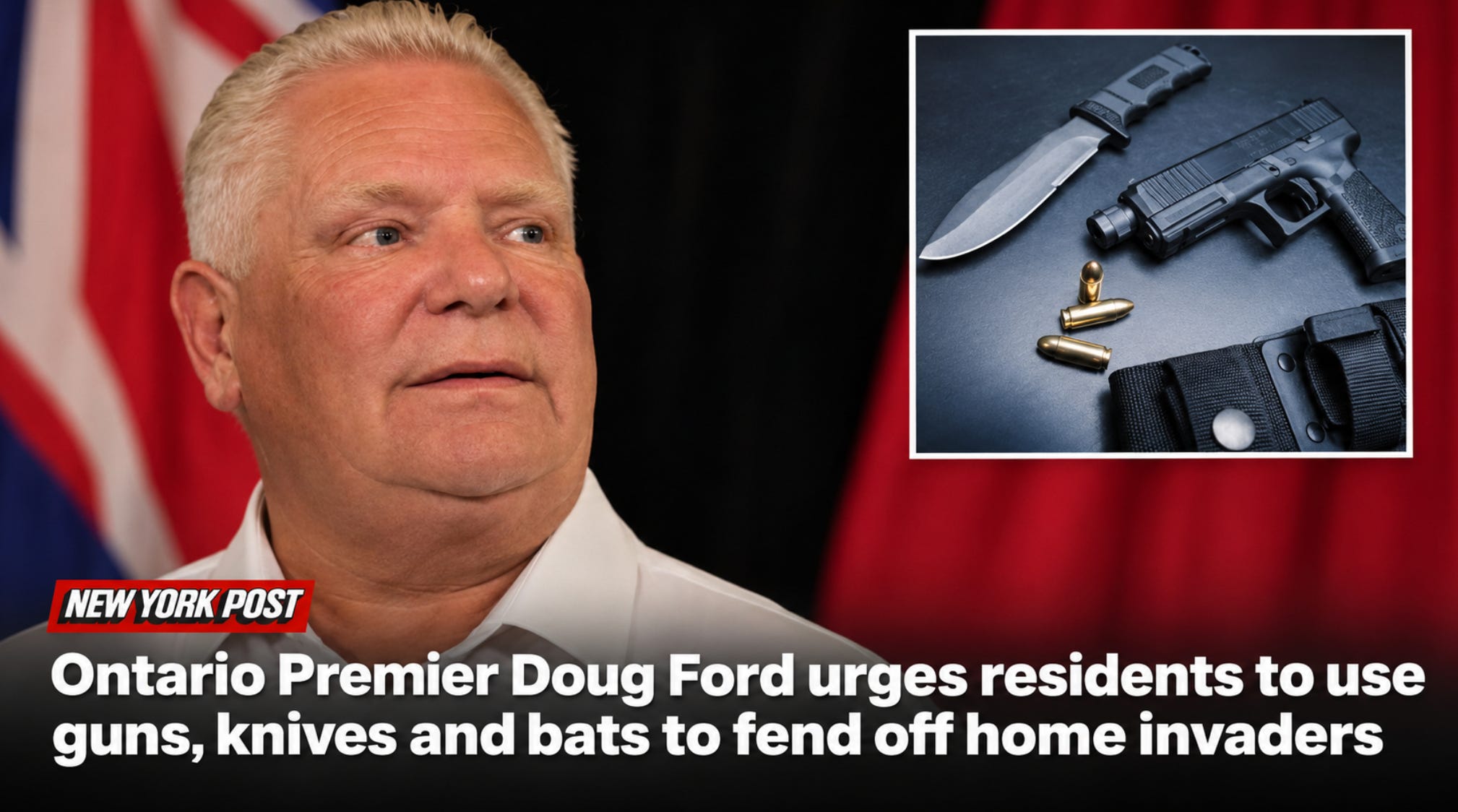
Then, on November 25, intruders shot dead Michael Eckert, a 39-year-old pedal steel guitarist who had played with many artists, inside his family’s home near Casa Loma. The city reacted in shock. Premier Doug Ford responded by telling Ontarians to arm themselves. “I encourage people to use whatever tool they have to fight back, not hide, but fight back,” he said at Queen’s Park, adding that he owns a gun and would use it in a heartbeat. That is red meat tossed to an outraged public. It will accomplish nothing, and it misses the upstream causes entirely.
For years The Bureau has reported what most of the Canadian public is missing. The growing violence and disorder in cities like Toronto, and the overdose deaths in Vancouver and Canada’s north, are fed by a transnational supply chain, and Canada’s weak laws draw it in.
Home invasions are only one symptom of what I see as a deeper disease.
Look at the shelves of Ontario’s liquor stores.
The Liquor Control Board of Ontario has just begun putting 40 paid-duty police officers in about 40 stores, and its own data links 70 percent of thefts to organized crime. In Oshawa this year, the Alcohol and Gaming Commission of Ontario suspended the alcohol and lottery licenses of a convenience store that Durham police allege traded drugs for alcohol. Investigators reported finding more than 250 bottles of stolen liquor, and a 22-year-old Toronto man was charged with trafficking fentanyl and crack cocaine. Stolen liquor, like stolen cars and jewelry, turns into cash, and the cash imports Mexican cocaine and produces Canadian fentanyl.
This is what I call the scourge of the Snow Cartels.
Gangs in the Greater Toronto Area have long recruited teenagers and young men and sent them north to sell cocaine and fentanyl, a practice the street calls going “OT,” for out of town. The toll is tragic.
