

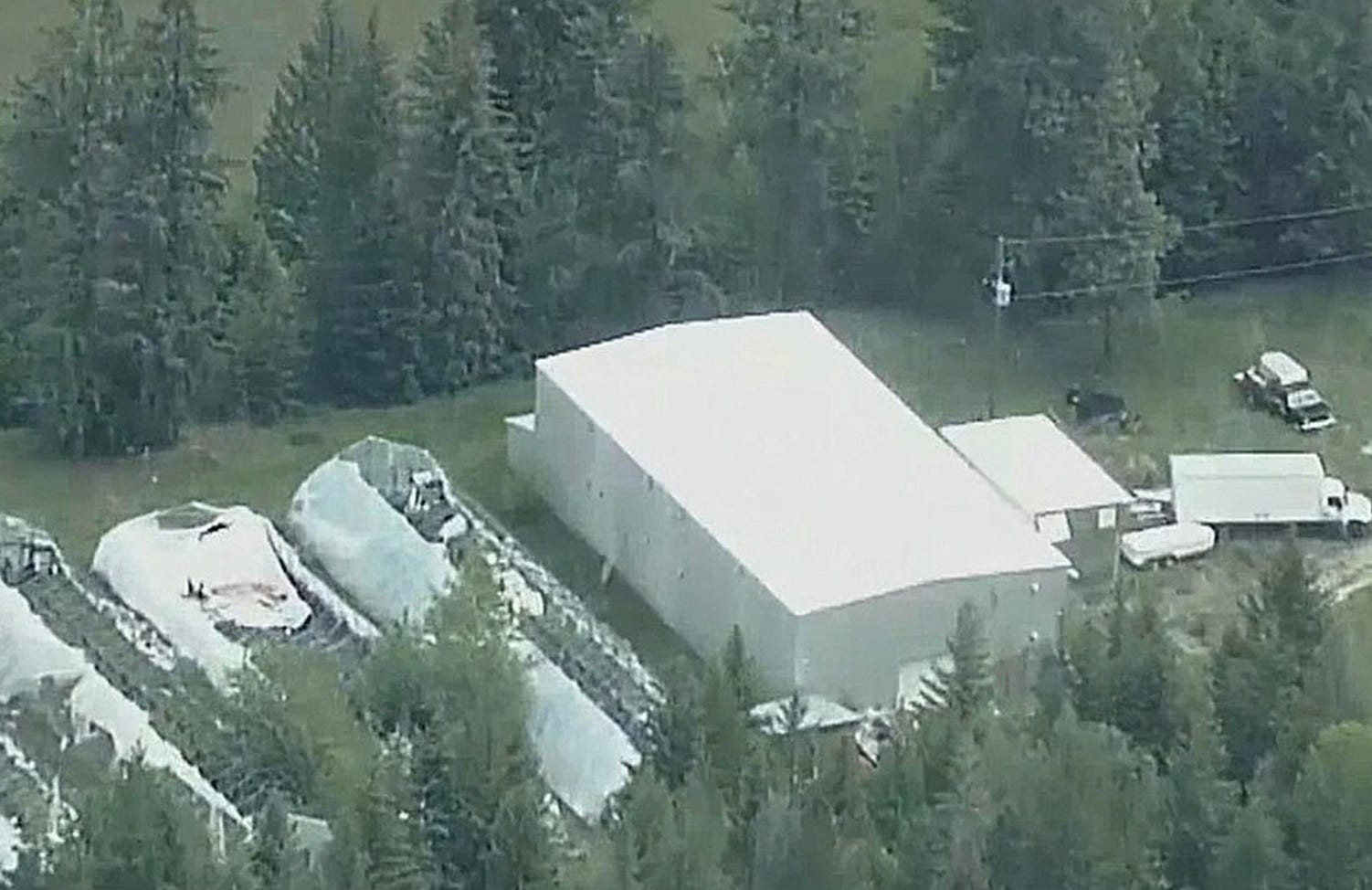
VANCOUVER — In June 2025, eight months after the Royal Canadian Mounted Police announced it had dismantled the largest fentanyl and methamphetamine laboratory in Canadian history, the force invited American agencies to its British Columbia headquarters in Surrey for what the Americans had hoped would be a working session.
In their telling, the case had started in China, led to a U.S. Treasury-sanctioned chemical importer in a Vancouver suburb, and ultimately reached the White House as a symbol of stonewalling in Ottawa and failed cooperation on a lethal scourge decimating North American communities.
For the Americans, the session inside Green Timbers — the RCMP’s imposing, high-security E Division headquarters, a nearly $1-billion facility — would end in disappointment.
According to The Bureau’s sources, investigators in a New Jersey-based counternarcotics bureau with a global mandate had uncovered the Chinese suppliers and followed the trail to laboratory networks involving Canadian, Chinese, Mexican and Iranian players.
But the tightly controlled, one-way briefing at Green Timbers foreshadowed the case’s meager denouement last week: the guilty plea of a low-level dealer who attempted to ship methamphetamine to the Philippines.
Meanwhile, the international players believed to stand behind the laboratory — and whom some sources connect to alleged Sinaloa Cartel frontman Ryan Wedding — remained beyond the reach of the case.
“The first thing they say is, ‘This isn’t an open discussion. This is just a briefing of what we have,’” said a U.S. official who had previously given The Bureau a detailed account of how the RCMP refused to work the British Columbia fentanyl file with the U.S. Drug Enforcement Administration in late 2022 and 2023.
The official spoke on condition of anonymity.
The DEA, the Federal Bureau of Investigation, Homeland Security Investigations and U.S. Customs and Border Protection were in the room, the official said, and, to the official’s recollection, the Canada Border Services Agency as well.
The briefing, the official said, was the RCMP’s answer to mounting pressure.
“They were getting lots of independent questions from all of the U.S. agencies about the lab,” he said. “So I think their response was to have everybody come out and we will give a presentation basically how it started and to where it was.”
The frustration, he added, had reached the White House and, in the official’s assessment, reflected mounting concern about Ottawa’s handling of the file.
“It did reach outside of all of our agencies to the White House,” he said. “So I think this was their way to triage any sort of bad look on their part.”