


OTTAWA — Mark Carney’s government’s own Public Safety assessment of the controversial BC Ferries contract with a Chinese state-owned shipyard identified potential risks to Canadian supply chains and flagged the proximity of ferry routes to sensitive military and intelligence infrastructure — including a Signals Intelligence facility in Haida Gwaii and the country’s main naval base in Victoria.
Almost none of that assessment has been released. The deal it examined — a $1-billion Canada Infrastructure Bank loan to fund construction of BC Ferries vessels at China Merchants Industry Weihai — traces directly to the institutional architecture of former McKinsey global director Dominic Barton, who chaired the federal council that produced the Canada Infrastructure Bank’s blueprint, as documents previously reported by The Bureau showed.
Bureau contributor Stanley Tromp filed an access to information request to the Public Safety department seeking documents on BC Ferries’ contract with China Merchants Industry Weihai and the associated national security risks. The request took a year to produce a response. When 166 pages finally arrived, virtually all of them were blacked out.
What survived the redactions — brief passages in a bullet-point list — establishes that Public Safety had identified potential sensitive-site risks associated with the transaction, concerns that went beyond the loss of Canadian shipbuilding jobs.
“BC Ferries is the main connection between mainland British Columbia, Vancouver Island, the Sunshine Coast and the Gulf Islands, for moving both people and commercial goods,” the text reads. “Any disruption of that service would have a major impact on logistics in BC, as well as the daily lives and livelihoods of people living in island communities.”
A second surviving bullet point raises broader security concerns, flagging BC Ferries’ proximity to sensitive Canadian military and intelligence assets. Those concerns could extend to Canada’s Five Eyes intelligence-sharing partners—the United States, Britain, Australia and New Zealand.
“BC Ferries Route 11 between Prince Rupert and Skidegate (Haida Gwaii) passes within 100km of Masset, where Canada maintains a SIGINT facility,” the document states, “and the routes to Swartz Bay (Victoria) within about 25km of CFB Esquimalt.”
The Public Safety document reviewed by The Bureau does not say what conclusions it reached. The heading that precedes the surviving text reads: “Potential concerns with the transaction could include:” — suggesting the passages are drawn from a risk analysis prepared before or during the federal government’s review of the deal.
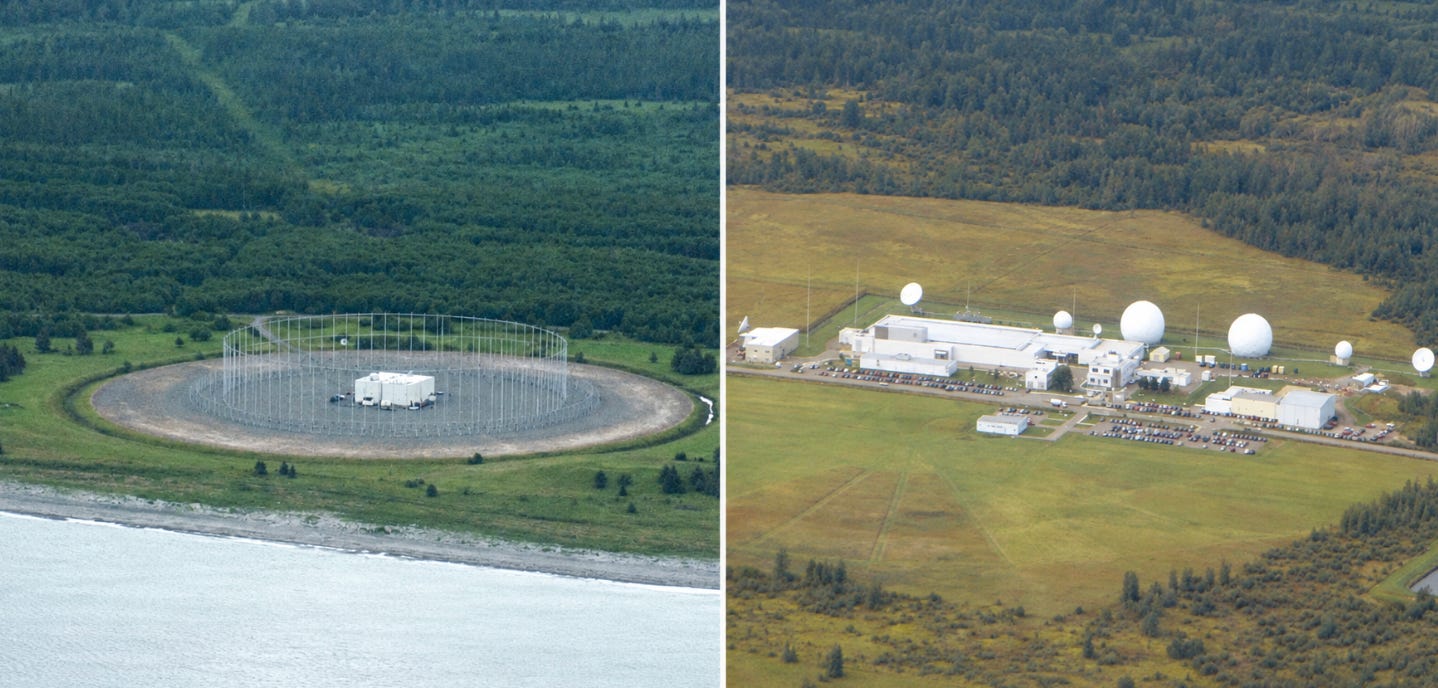
CFS Masset is a listening post supporting the Communications Security Establishment, Canada's foreign signals-intelligence and cybersecurity agency, which shares intelligence through the Five Eyes alliance.
The station is remotely operated from CFS Leitrim, outside Ottawa — Canada's primary domestic signals intelligence hub. The Department of National Defence built a boardwalk to maintain Masset's one-kilometre Beverage antenna, which collects long-range radio transmissions from northern Russia, according to intelligence researcher Bill Robinson.