

NEW YORK — A federal indictment unsealed this week has exposed what prosecutors describe as an industrial-scale methamphetamine manufacturing operation engineered by two Chinese national engineers, shipped from Shanghai across two continents, and designed to flood global markets with synthetic drugs at a volume that would dwarf most known production facilities.
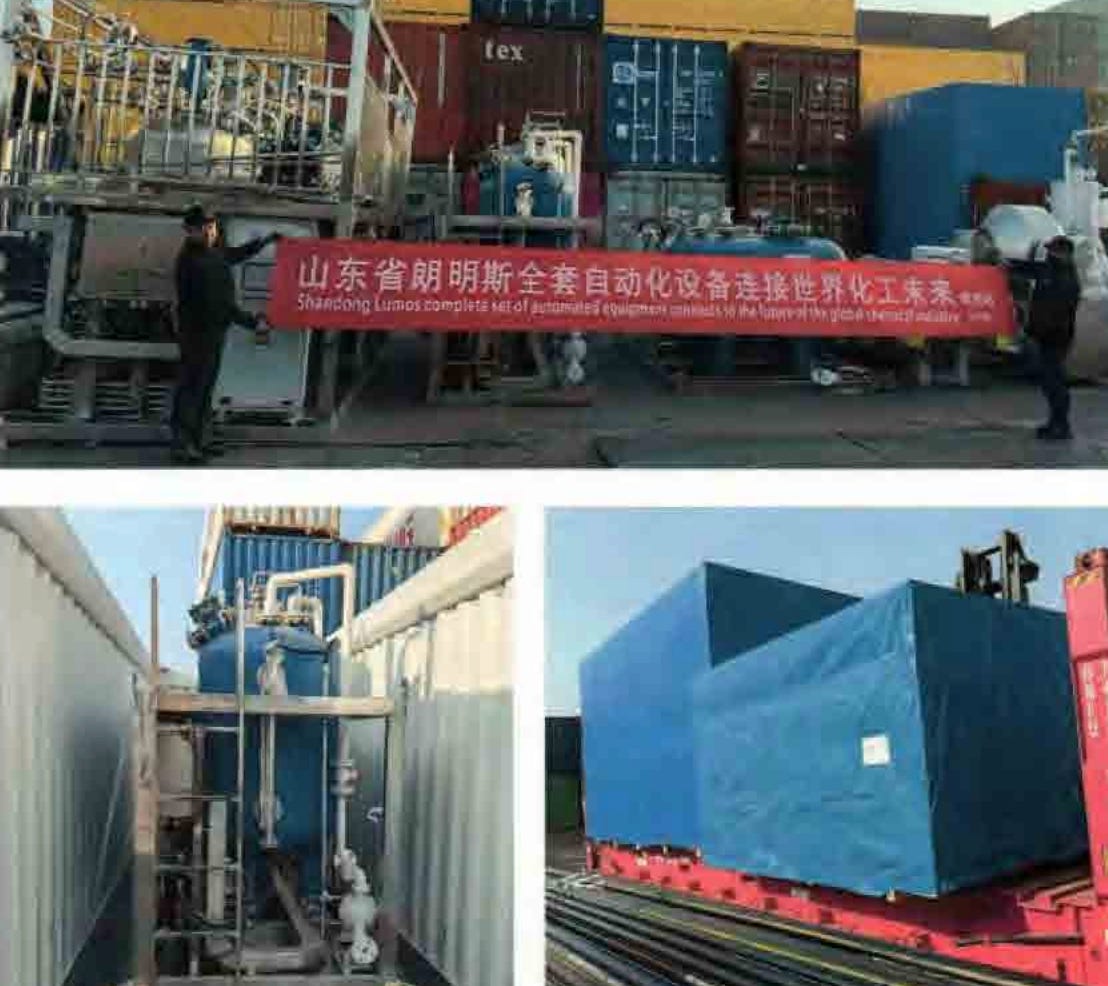
The engineers were so confident in their product — a fully automated laboratory weighing more than 21,000 kilograms, fabricated in China and dispatched to Europe in December 2025 — that they allegedly called it the “future of the global chemical industry.”
But it is a single detail buried in the indictment that transforms this case from a global drug prosecution into something that senior American law enforcement sources have long alleged.
One of the defendants told undercover Drug Enforcement Administration sources that scientists at the Chinese Academy of Sciences — China’s flagship state research institution — were working on the same methamphetamine production technology. That allegation suggests that accusations previously confined to diplomatically hedged congressional testimony — that the Chinese party-state stands behind the global synthetic narcotics trade — may ultimately be proven in a U.S. courtroom, if similar evidence continues to surface in DEA operations.
What undercover DEA agents watched unfold, in recorded meetings from Los Angeles to Manhattan to Tokyo, is stunning.
Wenfeng Cui, also known as “Vincen,” aged 41, and Fan Pang, also known as “Jerry,” aged 26 — both Chinese national engineers — were arrested in New York City on February 2, 2026, after a final meeting with undercover sources in which they delivered detailed synthesis instructions and confirmed the factory was en route to Europe.
By that point, DEA agents had spent nearly a year recording them across three continents. They had watched Cui ship 90 pounds of methamphetamine precursor chemicals from Shanghai to New York, falsely labeled as acrylic pigment. They had watched a 21,000-kilogram factory — built in China, loaded into shipping containers on the Shanghai waterfront — shipped toward a European port where it would be assembled into an operational methamphetamine facility occupying more than 600 square meters of floor space.
European law enforcement seized the containers before the machinery could be put to use. Cui and Pang flew to New York believing the deal was still alive.
The factory, prosecutors allege, was capable of producing 400 kilograms of methamphetamine per day. To understand what that number means: in 2023 alone, 2.6 million Americans reported using methamphetamine in the past year. That same year, 36,000 Americans died from psychostimulant overdoses, the majority linked to methamphetamine, according to DEA statistics. For US prosecutors, Cui and Pang were not only building a lab. They were building a killing machine — engineered for scale, marketed globally, and operated from inside China with what one defendant described as protection from his connections within the Chinese system.