


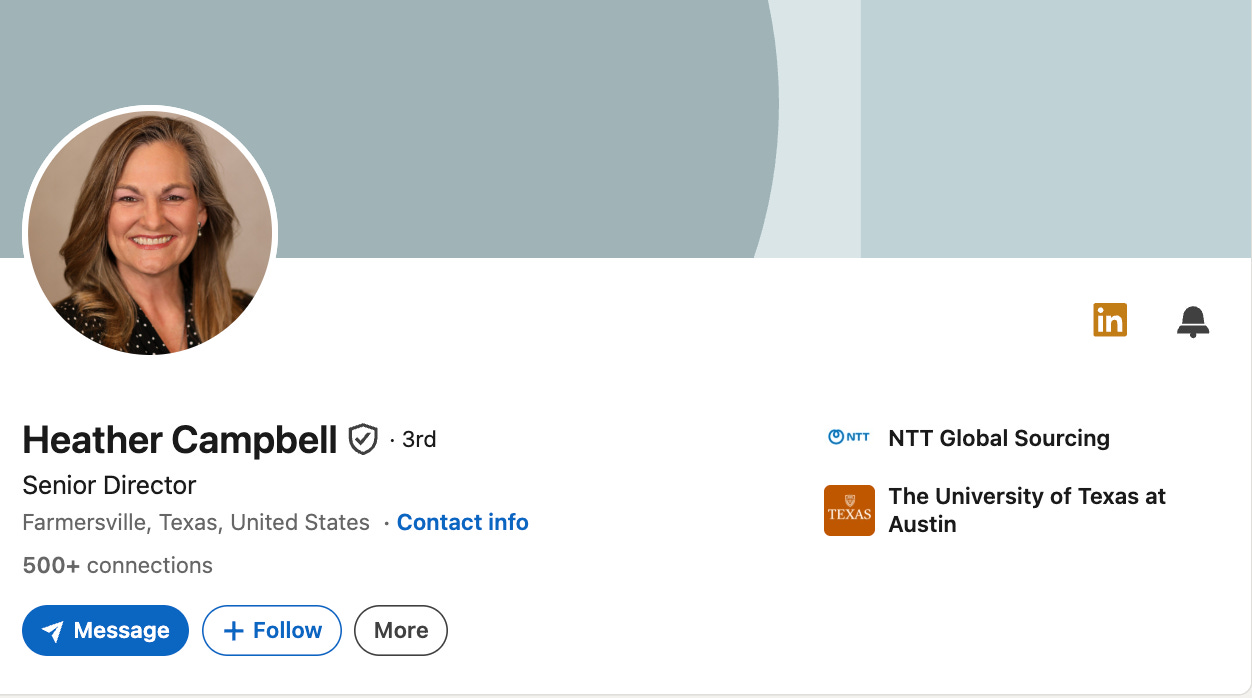
BROOKLYN, New York — Heather Campbell was walking through a quiet sixth-floor hallway at Huawei’s Texas offices when the company’s in-house lawyer approached from the opposite direction. They had arranged to meet near the training room, where few colleagues were likely to pass.
Charles de Chateauvieux handed her an envelope. Neither said anything. The envelope changed hands, and they kept walking.
Campbell headed straight for the stairwell. She descended six flights to the parking lot, went to her car and prepared to open the envelope in private.
The scene could have come from a spy film. Campbell recalled it under oath Tuesday in Huawei’s federal racketeering trial in Brooklyn.
It was July 2013. Huawei was still building its consumer brand, but the Chinese company already rivaled Sweden’s Ericsson as the world’s largest telecommunications-equipment supplier.
In court this week, Campbell—a former Marine trained as a Mandarin Chinese linguist, then working as a corporate trainer for Huawei’s American subsidiary—recalled that de Chateauvieux had told her, with a serious look, about a document sent from Huawei’s headquarters in China.
She told jurors that “he was concerned that it was—it was basically asking our employees to steal. It was that. Asking our employees to steal company information from our competitors, and he was concerned about it. He knew that it was not right, and that’s what I recall.”
And so she asked to see the policy herself.
Her testimony goes to a central question in the case: whether alleged technology theft reflected an organized corporate practice.
Prosecutors accuse Huawei and its subsidiaries of conspiring to steal trade secrets and committing financial crimes involving sanctioned business in Iran and elsewhere. The trial opened with testimony alleging that Huawei supplied surveillance equipment used by Iran’s security forces against protesters following the country’s disputed 2009 presidential election. Huawei, which has pleaded not guilty, denies the allegations and argues that individual employees’ misconduct does not establish a criminal enterprise.
Jurors have also heard the agreed statement of facts signed by Huawei chief financial officer Meng Wanzhou, read into the record October 7 by former Federal Bureau of Investigation agent Leigh Ann Sweeney, who worked on the investigation.
Meng is not appearing in the courtroom to explain those admissions or face cross-examination.
As The Bureau has reported separately, a classified Canadian Security Intelligence Service assessment described an extraordinary pressure campaign by China’s Ministry of State Security to prevent Meng’s extradition from Canada. It included interference in the 2019 election, with support calibrated across Canada’s three major political parties. CSIS assessed that Beijing’s concerns included the possibility that Meng could cooperate with American authorities during a criminal trial and disclose privileged information.
The assessment also cited uncorroborated, single-source intelligence that Beijing might consider Meng’s exfiltration or assassination if it became “the only alternative to significant national harm.”
In Brooklyn this week, Campbell testified that the headquarters communication arrived against the backdrop of another troubling episode.
She already knew about the May 2013 incident involving Huawei at T-Mobile’s laboratory in Bellevue, Washington—events previously examined in the trial.
“I couldn’t believe it. I wanted to see it for myself. I needed to see it for myself,” she testified about the headquarters document. “Especially because I had awareness of other things that had happened.”
Asked whether that included the T-Mobile incident, she said yes.
